Everything You Need To Know About Blood Glucose Testing
Blood sugar levels affect nearly every aspect of your health, yet many people only think about testing when a doctor brings it up. Whether you are managing a diabetes diagnosis, monitoring a high-risk condition, or simply want to stay on top of your overall wellness, understanding blood glucose testing is one of the most practical steps you can take. Here is a complete breakdown of what it is, how it works, and what you need to get started.
What Is Blood Glucose Testing?
Blood glucose testing is the process of measuring the amount of sugar (glucose) circulating in your blood at a given moment. Glucose is your body’s primary source of energy and comes from the food you eat. A hormone called insulin is responsible for moving glucose from your bloodstream into your cells so your body can use it as fuel.
When glucose levels are too high or too low for an extended period of time, it can signal or cause serious health problems. High blood glucose is commonly associated with prediabetes and diabetes, while low blood glucose, known as hypoglycemia, is often linked to certain diabetes medications or underlying health conditions.
Who Should Be Testing?
Blood glucose testing is not exclusive to people who have already been diagnosed with diabetes. Doctors may recommend testing for anyone who has risk factors like being over the age of 35, being overweight, having a family history of diabetes, or having high blood pressure or heart disease. People who experienced gestational diabetes during pregnancy are also encouraged to monitor their glucose levels regularly.
For people already living with Type 1, Type 2, or gestational diabetes, regular blood glucose monitoring is a core part of managing the condition day to day.
Types of Blood Glucose Tests
There is more than one way to check blood sugar levels, and the right test depends on what your doctor is looking to find out.
Fasting Blood Glucose Test: This test measures your blood sugar after you have gone without eating, typically overnight. It is one of the most common tools used to screen for prediabetes and diabetes.
Oral Glucose Tolerance Test: For this test, you fast overnight and then drink a sugary liquid provided at the clinic. Your blood sugar is measured before and at intervals after you drink it, usually at one and two hours. This test gives a fuller picture of how your body processes sugar.
Random Blood Sugar Test: This is a simple test taken at any point during the day, no fasting required. It provides a snapshot of your blood sugar level at that specific moment.
A1C Test: Rather than measuring your blood sugar right now, the A1C test shows your average blood sugar levels over the past two to three months. It is frequently used to confirm a diabetes diagnosis or to track how well someone is managing their condition over time.
At-Home Monitoring
Many people with diabetes monitor their blood sugar at home on a daily basis using one of two main tools.
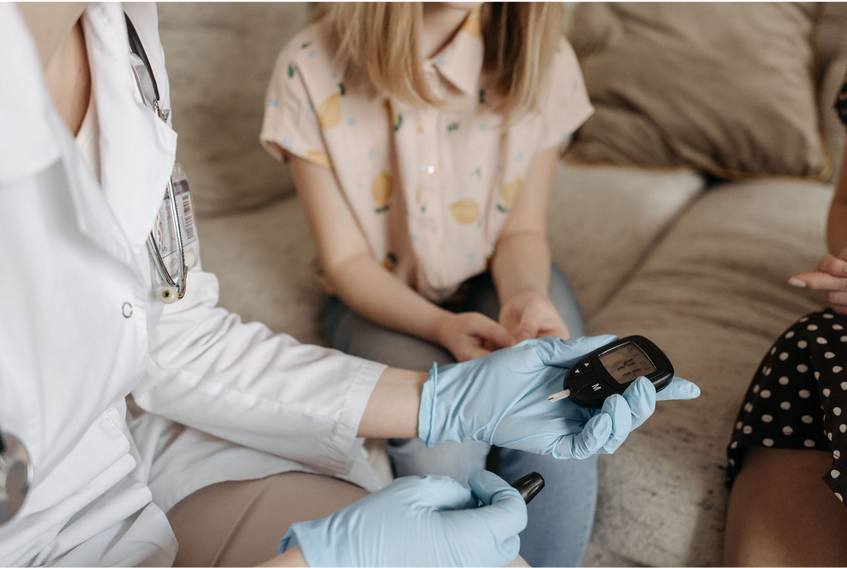
Blood Glucose Meters: A blood glucose meter, sometimes called a glucometer, uses a small lancet to prick your fingertip and collect a tiny drop of blood. That drop is placed onto a test strip, which is inserted into the meter, and within seconds a reading appears on the screen.
Continuous Glucose Monitors: A continuous glucose monitor, or CGM, uses a small sensor placed just under the skin to track glucose levels automatically throughout the day and night. Depending on the device, the sensor stays in place for anywhere from a few days to several months and eliminates the need for constant finger pricks.
How to Use a Blood Glucose Meter
Using a glucose meter is straightforward once you have done it a few times. Start by washing and thoroughly drying your hands. Insert a test strip into the meter, then use the lancing device on the side of your fingertip to get a small drop of blood. Touch the edge of the test strip to the drop and wait for your reading to appear.
A few things to keep in mind for accurate results: warm up your hands before testing if they feel cold, store your test strips somewhere dry and away from humidity, never use expired strips, and repeat the test with a fresh strip if you get a result that seems off.
Why Consistent Testing Matters
Regular testing takes the guesswork out of managing your health. It shows you how food, exercise, stress, illness, and medication are each affecting your blood sugar levels. Over time, tracking your numbers helps you and your doctor spot patterns and make smarter decisions about your care before small problems become bigger ones. Staying consistent with monitoring can also help reduce the long-term risk of complications like nerve damage, vision problems, and cardiovascular disease.
Stock Up on What You Need
Having the right supplies on hand makes consistent testing easier and more reliable. ATC Medical carries a full range of medical supplies for both clinical settings and at-home use. Browse their shop at atcmedical.com and make sure you always have what you need to stay on top of your health!